Hellenic Water Forum 2026 – Olympios Group proposes performance-based financing for digital water projects
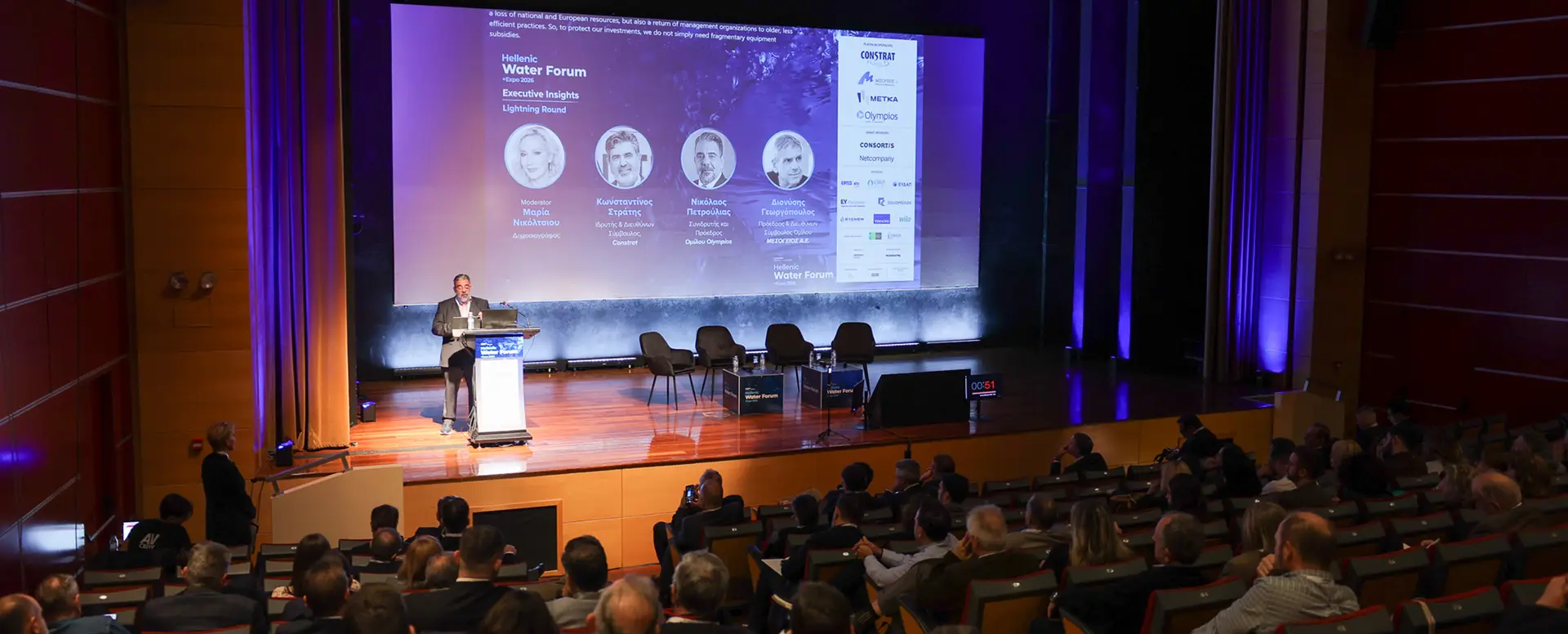
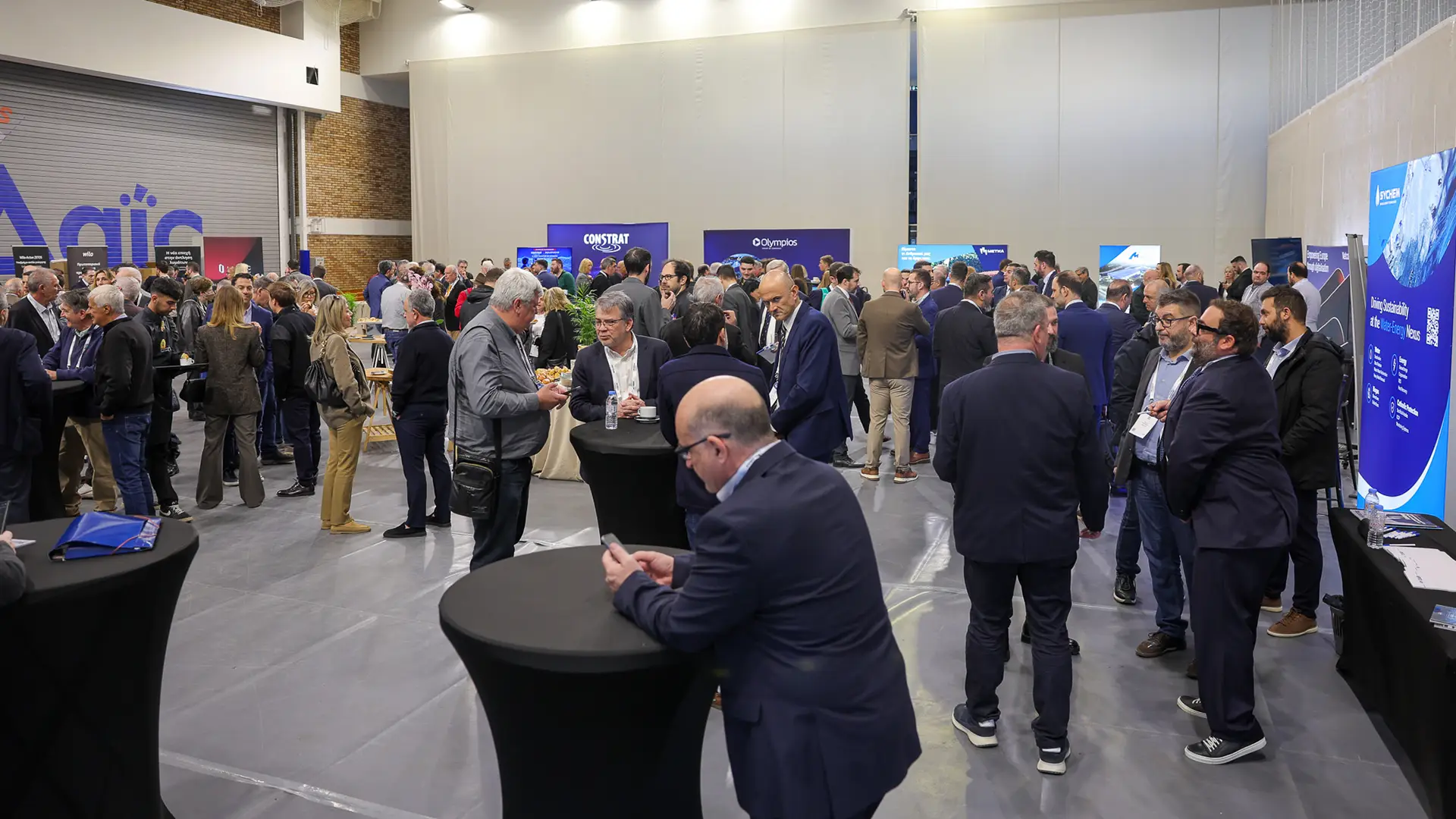
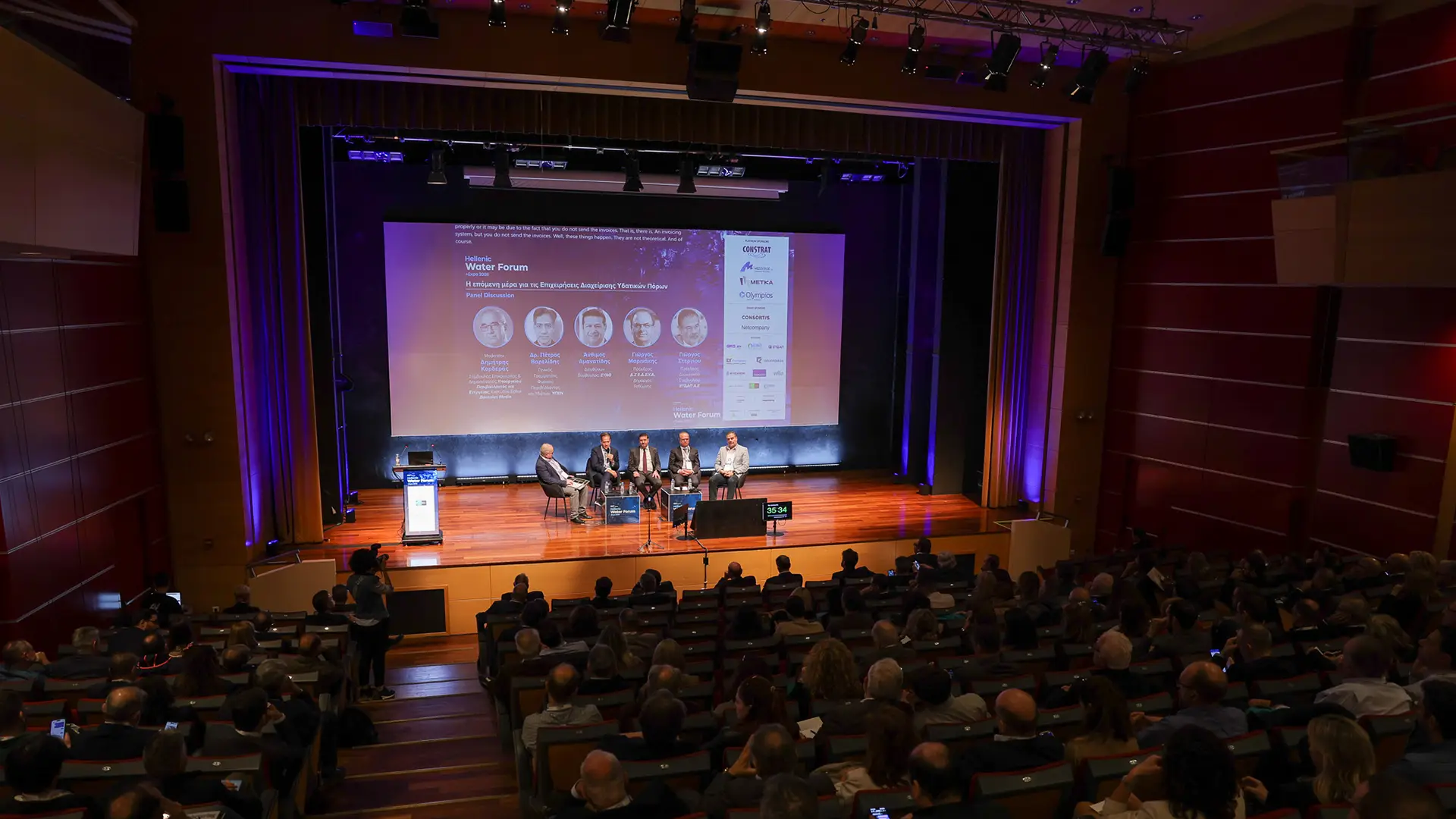
The Hellenic Water Forum 2026, the national forum on water security and infrastructure, took place on Monday 23 November at the Daïs Event Center. Boussias Events organised it under the auspices of the Ministry of Environment and Energy and EDEYA, the Union of Municipal Water Utilities of Greece. Olympios Group took part in three sessions, on funding, technology and the protection of critical water infrastructure.
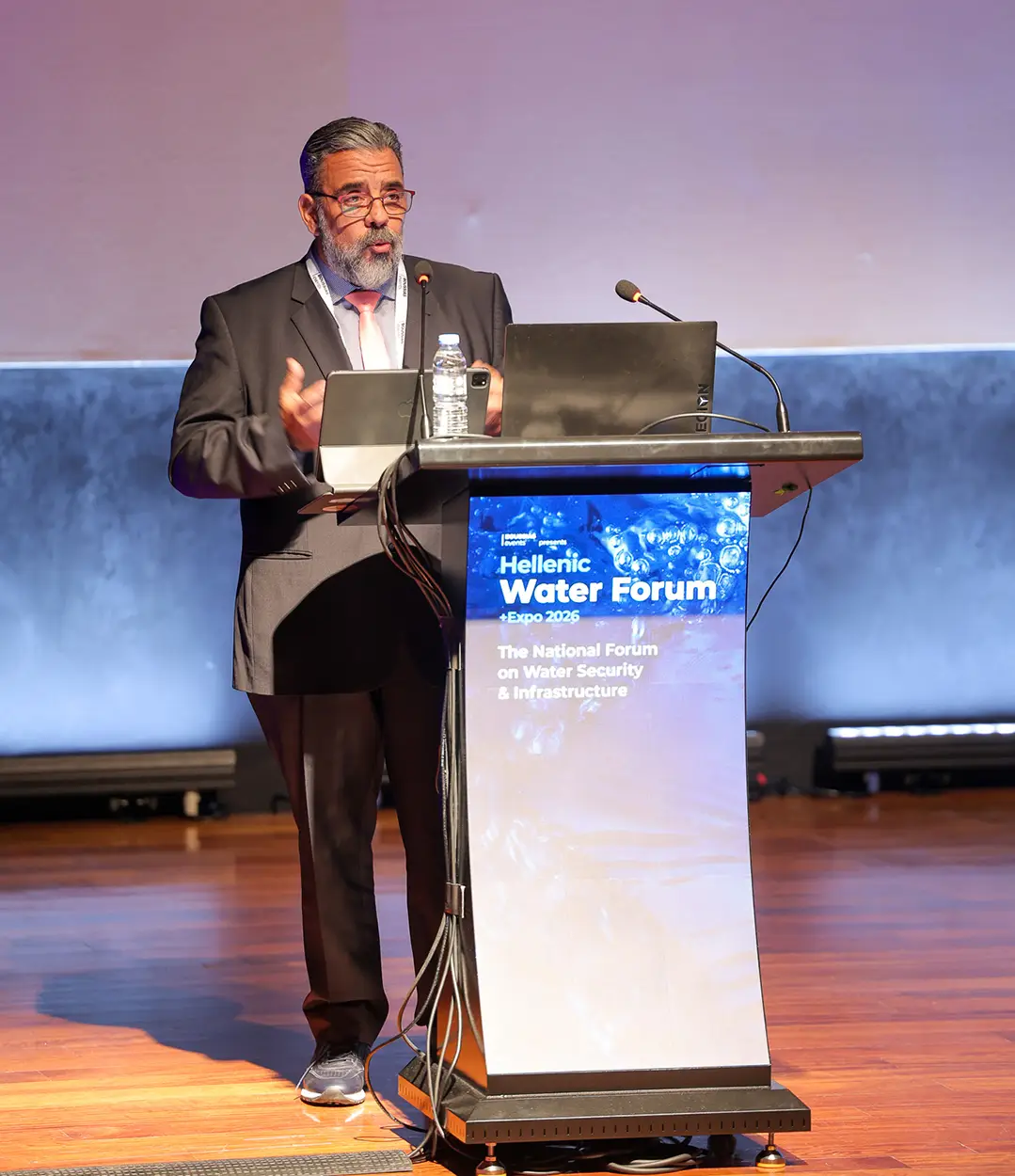
In the Executive Insights session, Nikolaos Petroulias, Co-Founder of Olympios Group, started with a definition. Digital transformation in water is not a handful of sensors or smart meters. It is a live digital twin of the infrastructure, combining real-time field data with AI and predictive models.
“Digital means predicting where a pipe will burst next week, dynamically optimising pressures and pumping-station energy use, and managing demand before reserves run out. It is the shift from firefighting breakdowns to the surgical precision of prevention,” he pointed. He acknowledged the progress made by municipalities and water utilities across Greece. But he described the sector today as digitally fragmented: islands of technology that don’t talk to each other, and data left unused for lack of unified platforms, interoperability and data-driven decision-making.
His central point was funding. Today’s cycle of programme, tender, procurement and handover leaves digital projects with no budget for maintenance or upgrades, so the investment gradually loses its value. He called for continuous, predictable funding tied to a long-term national plan that covers each project’s full life cycle. Mr. Petroulias also called for a gradual shift from paying for procurement to paying on outcomes and KPIs, such as:
– reduction in non-revenue water (NRW)
– kilowatt-hours saved per cubic metre of water
– time to detect and repair a leak
Under this model, every euro has to show a result. The technology provider becomes a long-term partner, with every incentive to maintain and upgrade the system and train the utility’s staff.
“We have the technology, the know-how and the people. What we need now is a new architecture of governance and funding,” he concluded.
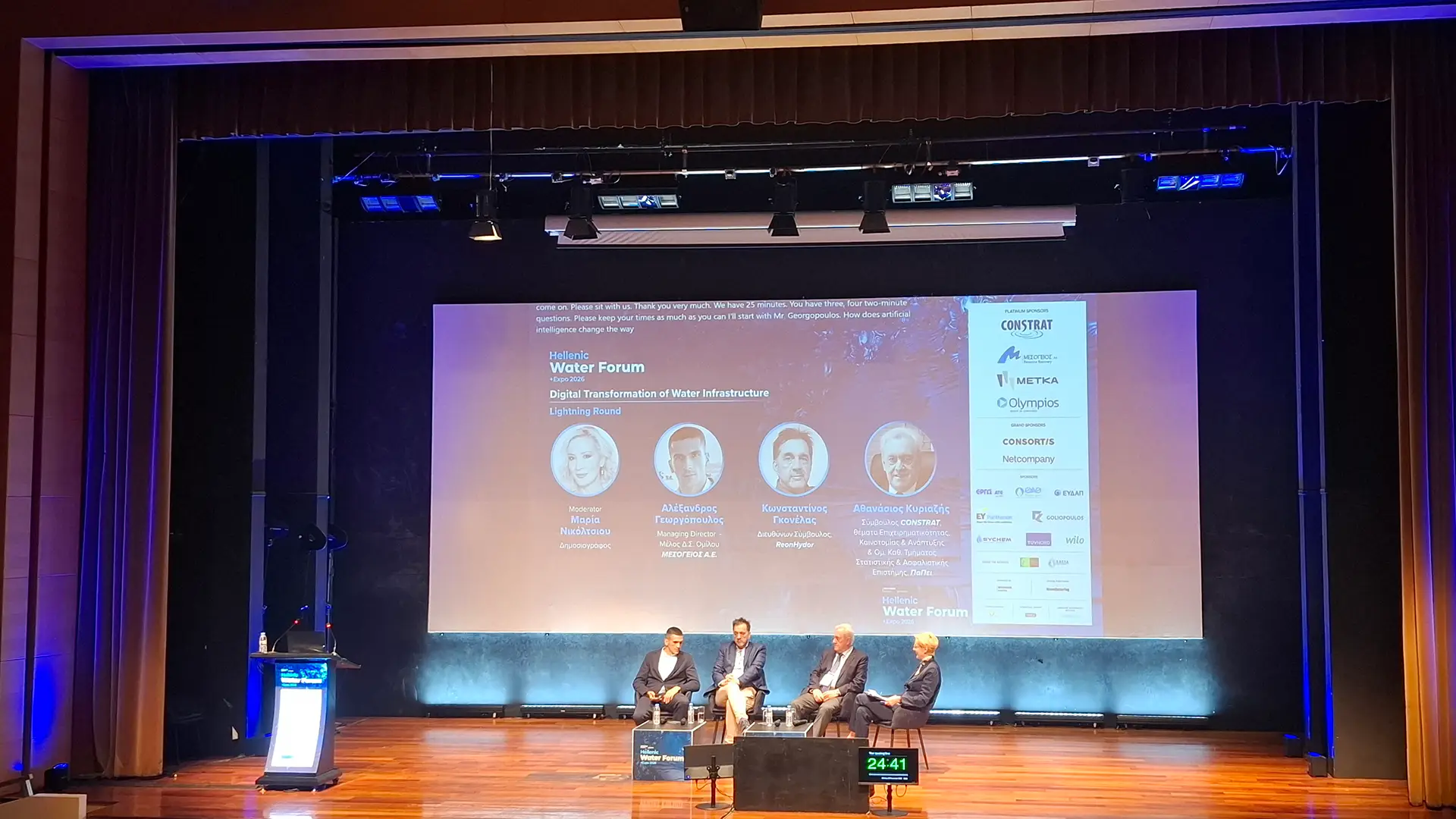
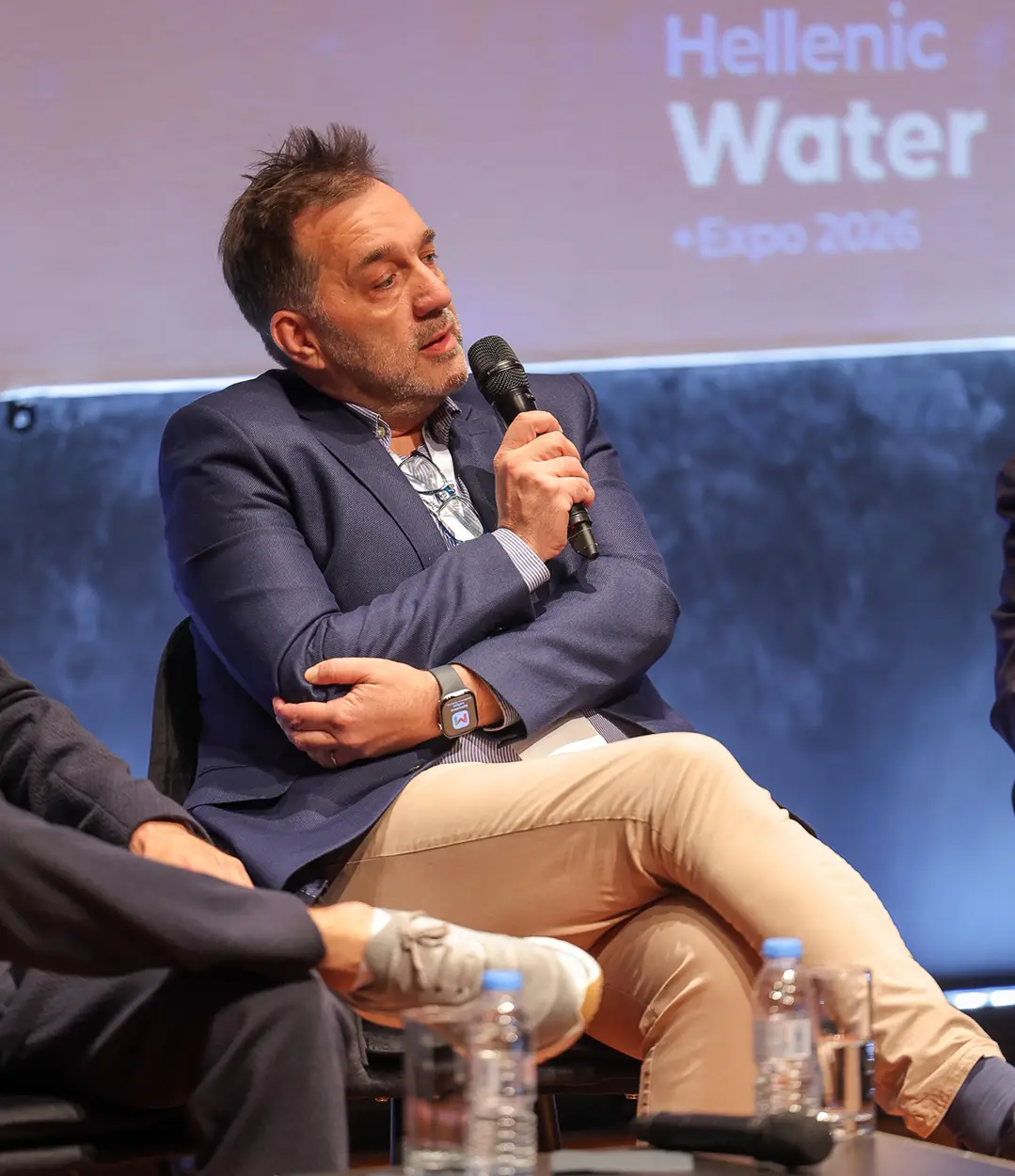
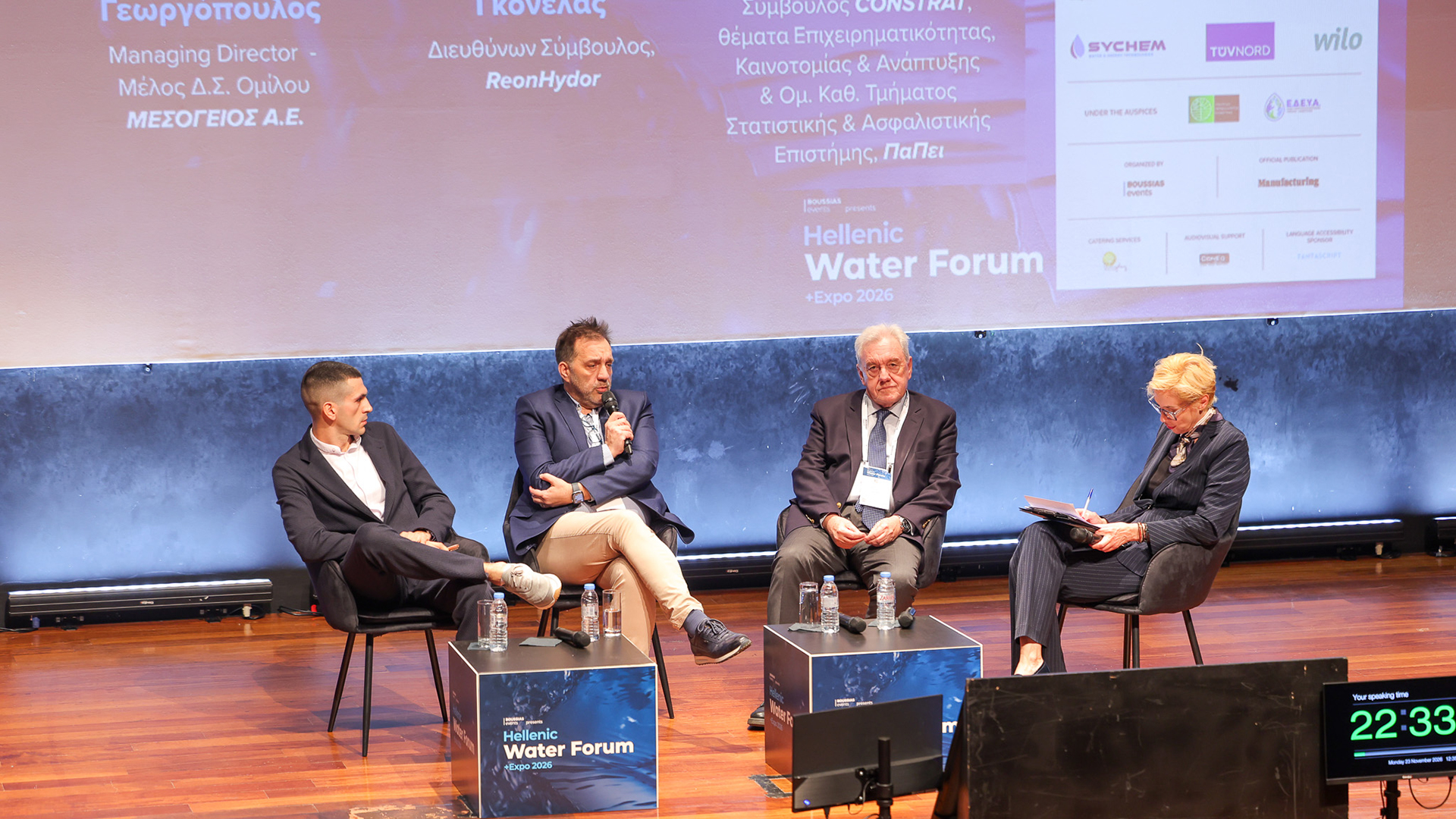
In the Lightning Round “Digital Transformation of Water Infrastructure“, Dr Konstantinos Gonelas, CEO of ReonHydor, Member of Olympios Group, explained what a network Digital Twins changes for the utility that adopts it. He also covered how it extends to sewerage, stormwater and flooding, the role of AI agents in utility operations, and how each provider’s digital maturity could be measured by the end of RAAEY’s first regulatory period in 2029.
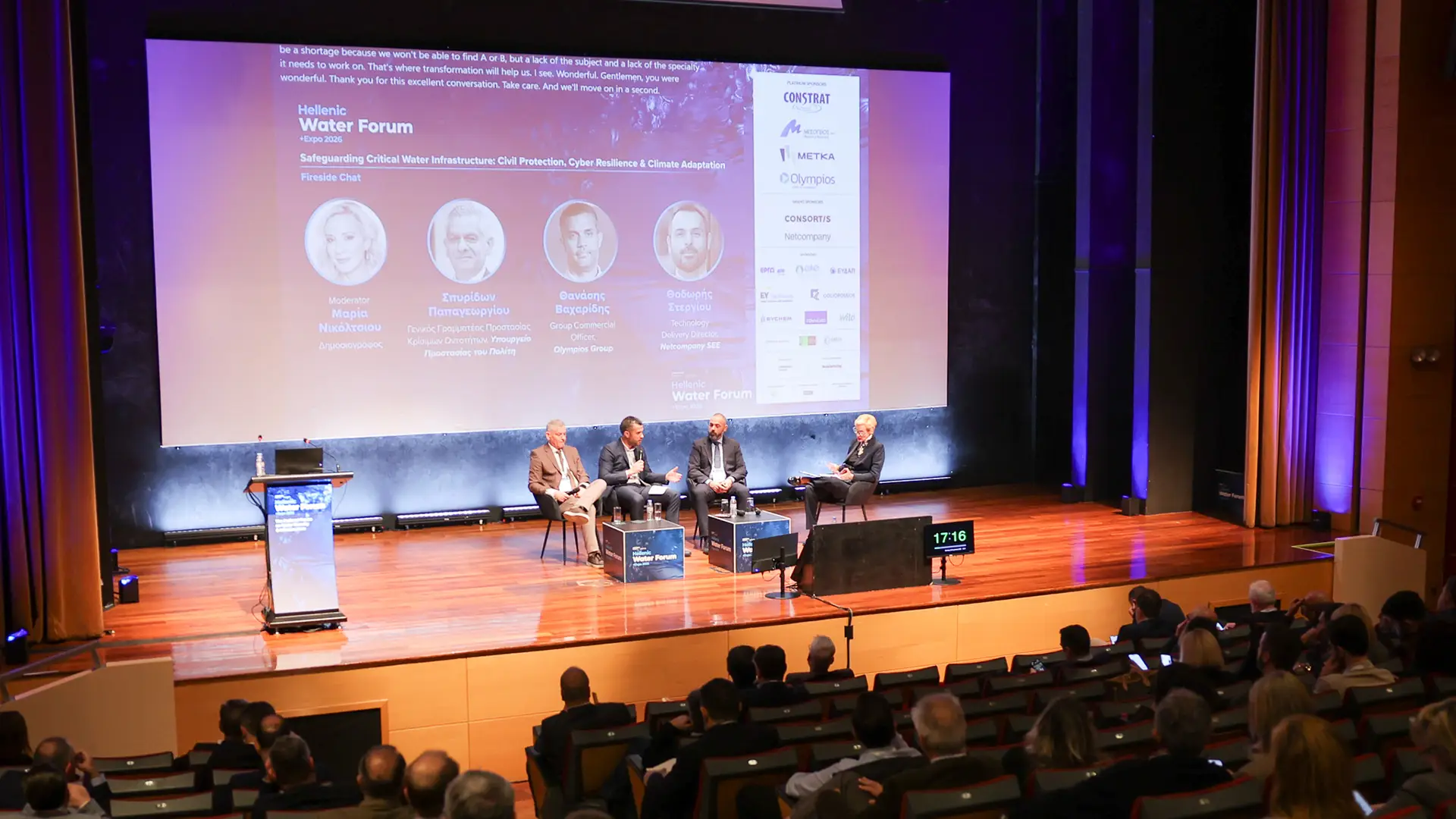
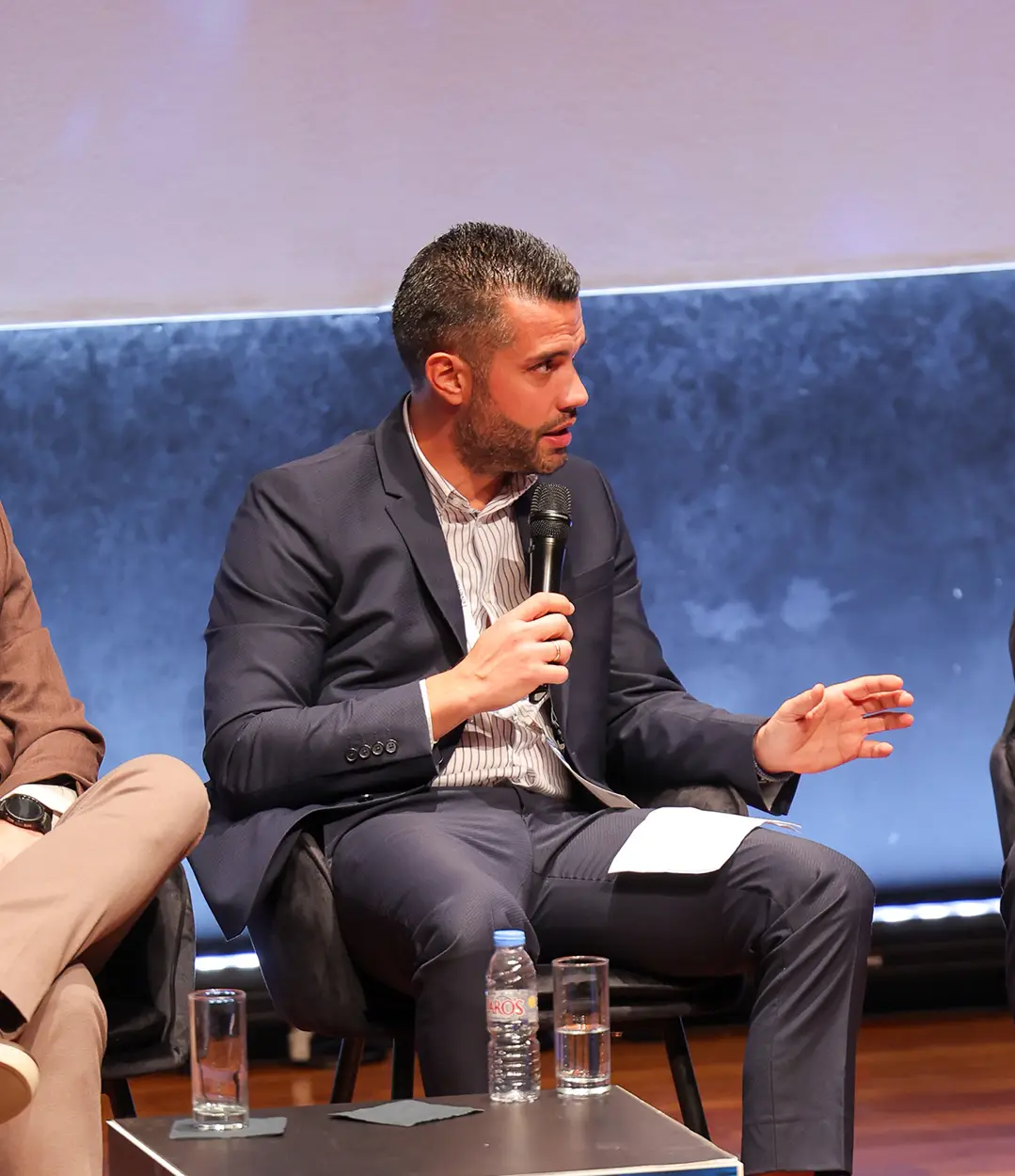
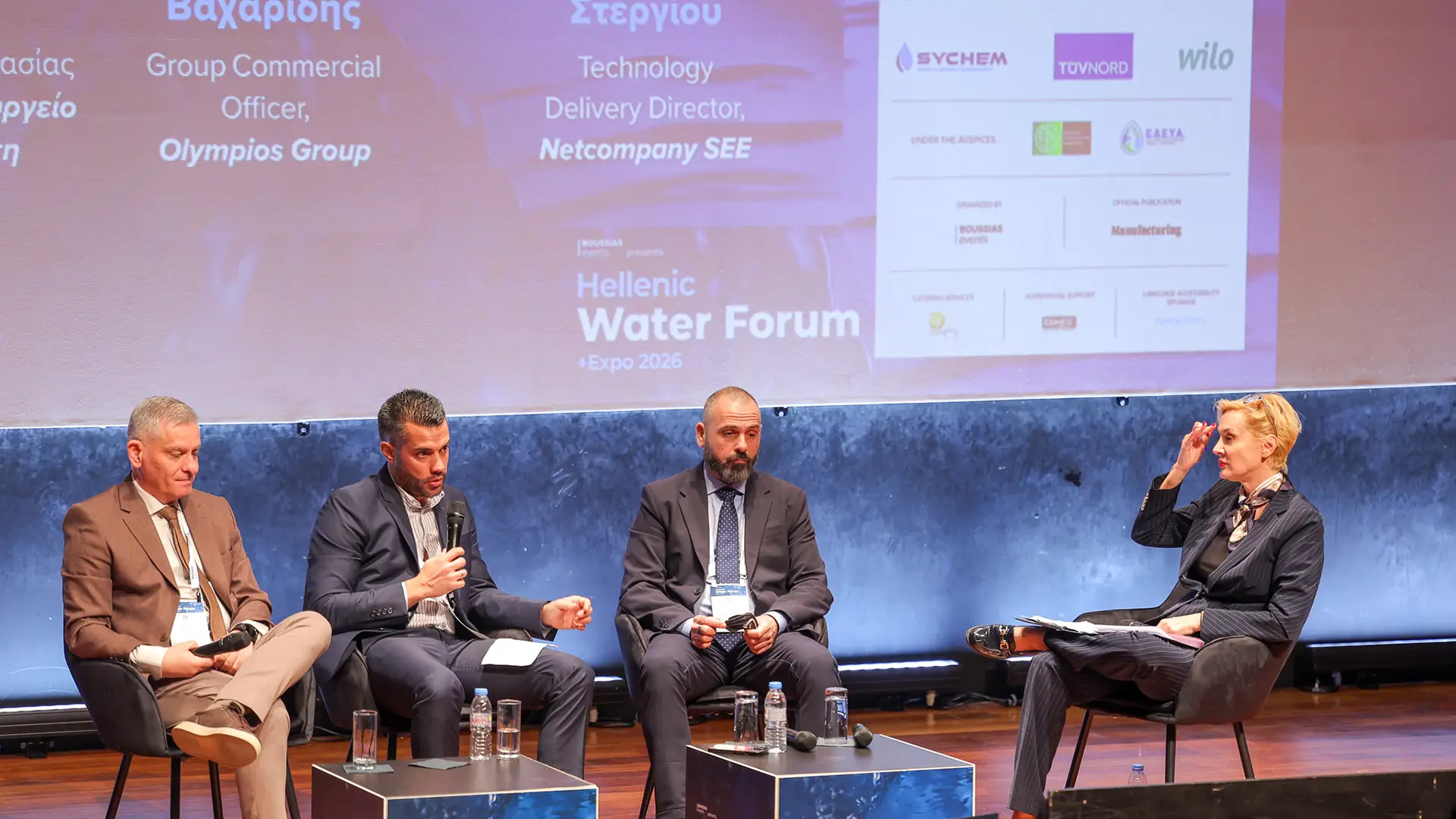
Athanasios Vacharidis, Group Commercial Officer, closed the Group’s participation in the Fireside Chat “Safeguarding Critical Water Infrastructure: Civil Protection, Cyber Resilience & Climate Adaptation“, moderated by journalist Maria Nikoltsiou.
The Group has delivered more than 200 projects and installed systems at over 2,000 pumping stations and boreholes across Greece, many of them in small municipalities. Drawing on that experience, he noted that such sites are largely unguarded. Their systems were never designed to withstand attacks, and much of the equipment is old. In his view, cyber security starts at the pumping-station door, which is often unlocked or has its key left under a roof tile. That is why Olympios installs access control on its projects, so operators know who enters, when, and whether they are authorised. This is a first layer, alongside the security of the systems themselves.
On climate adaptation, he described the Group’s systems as safety valves for the health and continuity of water networks. Network zoning and monitoring help utilities know their networks and act before problems escalate. “Every cubic metre we don’t lose is available for the drought, which, if we are not living it already, is on its way,” he said. In one project, network zoning cut energy consumption by 46%, at a time when power bills for municipal utilities have doubled or tripled. In others, leakage fell by 30–35%.
On civil protection, he explained that these systems cover most phases of the civil protection cycle. When a parameter such as canal water level or water quality goes out of range, alert systems notify a control centre at once. Operators can then act immediately: operate valves, shut down stations, and stop an incident before it reaches the public.
On the role of the private sector, he was direct: “The protection of our infrastructure starts where the project ends.” Projects are tendered as supply, installation and commissioning, with nothing to ensure they are operated and maintained afterwards. Yet a station that is out of service may be exactly the one you need in a crisis. He called for a review of how water projects are tendered and for stronger public–private partnerships. The aim is for European and national funds to deliver lasting value, and for systems to stay operational for their 15–20-year life cycle, not just the two years after delivery.